
 By
By 
Key Takeaways
- Private preschool routines introduce young children to structured days while keeping activities playful and engaging.
- Small group learning encourages conversation, cooperation, and early social confidence in classroom settings.
- Nursery programmes introduce early literacy, numbers, and classroom habits through guided hands‑on activities.
- Familiar preschool environments help children build independence, friendships, and comfort with daily learning routines.
Introduction
For parents exploring early learning paths, private preschools in Singapore present structured classrooms where young children begin building confidence, curiosity, and daily learning habits. Through guided activities, playful routines, and small group interaction, children step into an environment that balances exploration with gentle structure. Classrooms buzz with puzzles, songs, storytelling, and hands-on tasks that keep little minds busy while laughter fills the room. Early education begins to feel less like a lesson and more like a lively workshop where discovery happens one activity at a time.
1. Early Classroom Routines Help Young Children Adjust
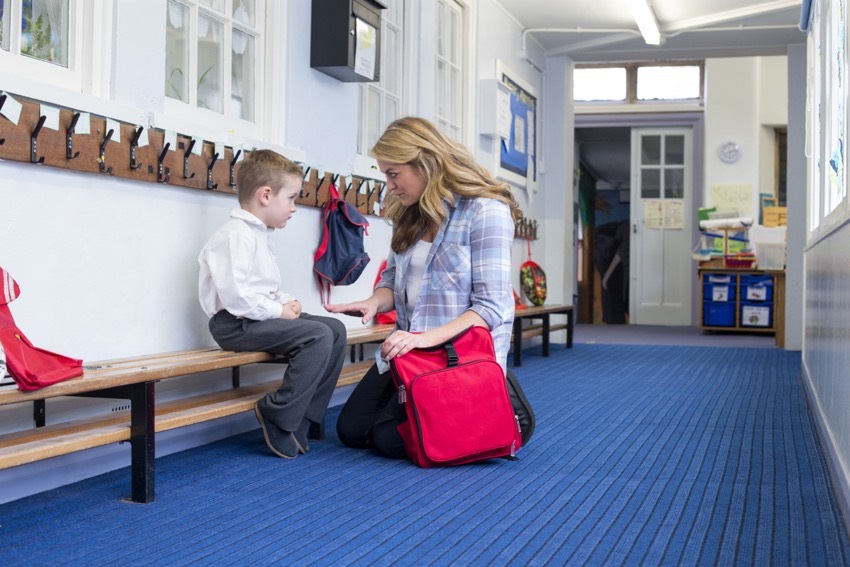
During Nursery 1 in Singapore, children begin adapting to simple routines that shape their day. Arrival greetings, activity corners, snack breaks, and tidy‑up moments guide children through predictable steps that gradually feel familiar. With repetition, young learners begin moving through tasks with confidence. A routine that once felt puzzling soon becomes second nature, and children start navigating classroom life with cheerful independence.
2. Smaller Learning Groups Encourage Interaction
Inside a preschool in Clementi, Singapore, children frequently participate in small group activities that bring conversation and cooperation into the learning process. Puzzle tables, art corners, and storytelling circles encourage children to speak, listen, and share ideas. Through these moments, young learners practise patience, turn‑taking, and teamwork while still enjoying the playful spirit of early childhood learning.
3. Structured Play Blends Learning and Fun
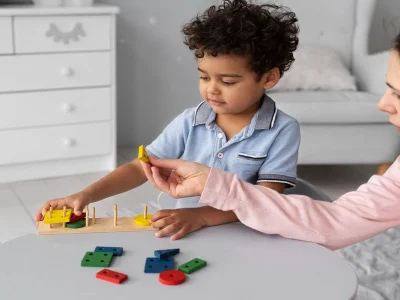
Play rarely feels random inside many classrooms. Activity stations invite children to explore numbers, letters, shapes, and textures while games quietly introduce learning concepts in private preschools in Singapore. Building towers with blocks develops coordination, while sorting colourful beads strengthens early counting skills. Each playful task carries a small lesson, turning curiosity into a helpful learning companion.
4. Gentle Transitions Into Formal Learning
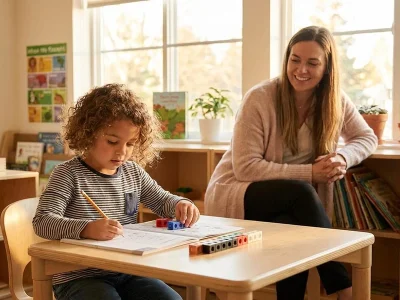
Simple learning materials appear gradually as children become familiar with classroom routines. Tracing shapes, matching pictures, and recognising sounds form early stepping stones toward reading and writing during Nursery 1 in Singapore. Lessons unfold gradually, giving children space to practise without pressure while building familiarity with classroom activities.
5. Local Community Connection
Neighbourhood learning environments help children feel connected to familiar surroundings. Morning drop‑offs, school events, and casual conversations between parents create a sense of community in a preschool in Clementi, Singapore. Children recognise familiar faces, and the classroom becomes a friendly meeting point where friendships grow alongside learning.
6. Guided Independence Through Everyday Tasks
Practical activities encourage children to handle simple responsibilities throughout the day. Pouring water during snack time, returning toys to shelves, or arranging classroom materials may appear small, yet these tasks build confidence across private preschools in Singapore. Children gradually realise that completing everyday actions brings a quiet sense of achievement.
7. Early Social Confidence
Daily interaction helps children grow comfortable speaking with teachers and classmates. Group games, music sessions, and cooperative art projects give every child a chance to join the activity during Nursery 1 in Singapore. Shy learners slowly step forward, while outgoing classmates channel their energy into teamwork. Bit by bit, children learn that sharing ideas can be fun.
8. Familiar Environment for Growing Minds
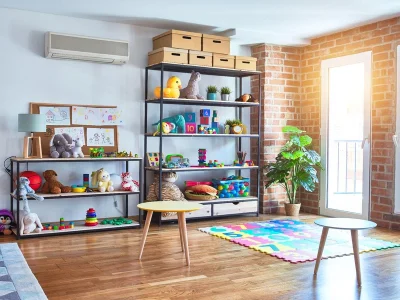
A stable learning setting helps children explore their surroundings with confidence. Colourful classrooms, accessible activity stations, and friendly teachers create an inviting environment within a preschool in Clementi, Singapore. When children feel comfortable exploring their surroundings, learning tends to follow naturally.
Conclusion
Exploring early education options leads many families to consider environments that balance structure with playful discovery. Daily routines, guided activities, and group interaction give young children a comfortable starting point for learning while helping them build confidence, familiarity, and social ease in the classroom.
Visit Brighton Montessori today to explore how thoughtful classroom activities, supportive teachers, and engaging early learning experiences help children grow with curiosity and confidence.





Comments