
 By
By 
Key Takeaways
- Many children who attend a playgroup initially struggle with separation from parents, especially during the first week.
- Understanding the typical age group for playgroups helps parents set realistic expectations about behaviour and social readiness.
- Gradual separation, predictable routines, and familiar objects can help “Velcro children” adjust more comfortably to social environments.
- The first week of playgroup is often about emotional adjustment rather than active participation in group activities.
Introduction
Many parents discover quickly that their child becomes unusually clingy when introduced to a new social environment. These children are often referred to informally as “Velcro children” because they remain physically attached to their parents and resist separation. This reaction is particularly common when children attend a playgroup for the first time. The early days of social exposure can feel overwhelming for young children who are used to constant parental presence.
Playgroups typically welcome toddlers who fall within the usual age group for playgroups, often between 18 months and three years old. However, at this stage of development, separation anxiety is still common, and many children are only beginning to learn how to interact with peers. The first week of playgroup should therefore be viewed less as a test of independence and more as a structured introduction to social life. Fortunately, with the right strategies, parents can help their child navigate this transition with less stress and greater confidence.
1. Practise Gradual Separation Before the First Day
One of the most effective ways to prepare a clingy child for a playgroup is to practise small moments of separation before the programme officially begins. Many parents expect their child to adapt immediately to a classroom setting, but toddlers within the typical age group for playgroups often need repeated exposure to brief separations before they feel secure without a parent nearby.
Parents can start by leaving the child with a trusted caregiver or family member for short periods. These separations may begin with ten to fifteen minutes and gradually extend over several days. The goal is not to eliminate anxiety entirely but to show the child that separation is temporary and that the parent always returns. This approach builds a predictable emotional pattern that children can rely on when they encounter new environments.
Once the first day of playgroup arrives, the child is less likely to interpret separation as abandonment. Instead, they may recognise the situation as similar to earlier experiences where a parent briefly stepped away and returned later.
2. Establish a Clear and Predictable Routine
Children within the common age group for playgroup respond strongly to routine because it helps them understand what will happen next. Once routines are unclear, clingy behaviour often intensifies because the child cannot predict when they will see their parent again.
Parents enrolling their child in a playgroup in Singapore can reduce stress by building a consistent daily pattern around playgroup days. For example, the same sequence might occur every morning: breakfast, getting dressed, travelling to playgroup, a short goodbye routine, and pick-up at the same time each day. Predictable patterns help children feel that the situation is controlled rather than uncertain.
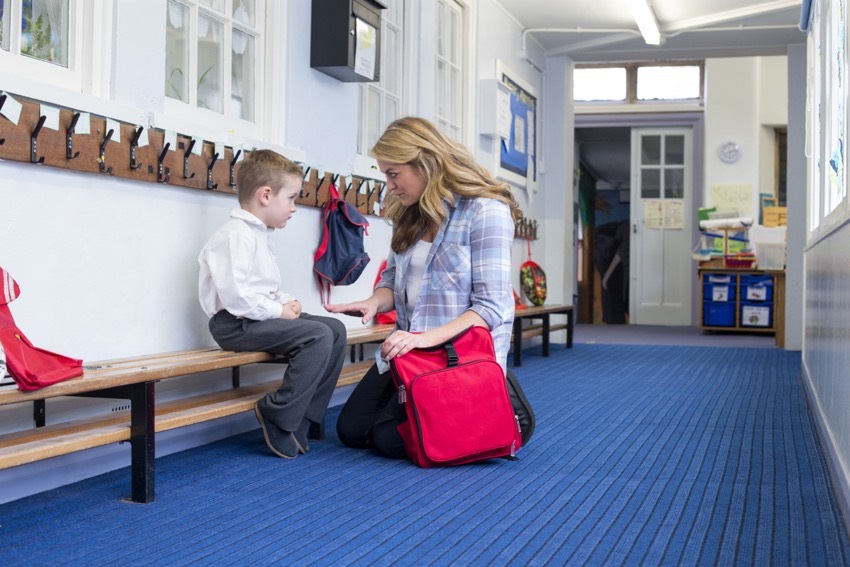
The goodbye routine is especially important. A quick, calm farewell tends to work better than prolonged emotional departures. Many playgroup educators advise parents to keep the farewell simple, such as a hug, a reassuring phrase, and a clear statement that they will return later. Long goodbyes can unintentionally signal to the child that the situation is alarming.
Over several days, children begin to recognise the rhythm of playgroup attendance and gradually accept the routine.
3. Allow a Comfort Object During the First Week
Children who fall within the usual age group for playgroups often rely on familiar objects to regulate their emotions. A comfort item, such as a favourite soft toy or small blanket, can make a new environment feel less unfamiliar. This strategy can be especially helpful for a child attending a playgroup for the first time.
Comfort objects serve as emotional anchors. Once children feel anxious or uncertain, holding a familiar item can restore a sense of security. Many playgroup educators recognise this and allow comfort objects during the first week while the child adjusts to the classroom environment.
Over time, the reliance on the object typically decreases as the child begins to build relationships with teachers and other children. The goal is not to eliminate the comfort object immediately but to allow the child to gradually replace that sense of security with trust in the environment and the people around them.
Conclusion
The first week of socialising in playgroups is rarely effortless for a clingy toddler. Children entering the typical age group for playgroups are still developing emotional independence, and separation anxiety is a normal part of that process. Parents should therefore approach the early days of a playgroup with patience and realistic expectations.
Gradual separation practice, predictable routines, and the use of comfort objects can significantly reduce stress during this transition. That said, with consistent support from both parents and educators, most children adapt over time and begin to engage more confidently with their peers. The early adjustment period is not a sign of failure; it is simply the beginning of a child’s social learning journey.
Contact Raffles Kidz International and watch how a careful introduction to playgroup can turn a clingy first day into confident participation over time.






Comments