
 By
By 
Key Takeaways
- Montessori activities are designed to be self-correcting, allowing children to learn from their mistakes.
- Sensory-based tasks help build neural pathways and improve cognitive function.
- Local childcare on the East Coast often incorporates Montessori methods to foster independence.
- Practical life activities, such as pouring and cleaning, help develop fine motor control and concentration.
Introduction
If you have ever spent time on the East Coast of Singapore, you know it is a vibrant area filled with families and parks. It is a wonderful place for a child to grow up. But when the outdoor playtime is over, what kind of activities are keeping your little one engaged? Many parents seeking childcare on the East Coast are looking for something more than just a place for their kids to wait for the workday to end. They want activities that spark curiosity and support development. This is where the Montessori method shines. Montessori preschool activities are not just random games; they are purposeful “work” designed to help a child master their body and mind. It is about giving them the tools to explore the world with confidence and a sense of wonder.
The Power of Sensory Play
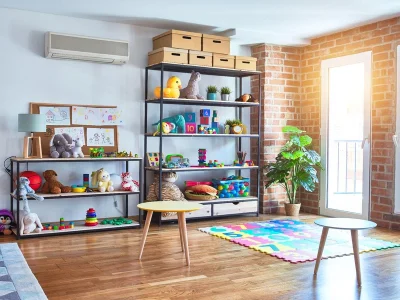
In a Montessori preschool, sensory activities are a cornerstone of the daily routine. Children use their hands to learn about the world long before they can understand abstract concepts. For example, the “Sandpaper Letters” allow a child to feel the shape of a letter while hearing its sound. This multi-sensory approach makes the learning stick. It is much more effective than just looking at a flashcard. Other activities might include matching different scents in small jars or identifying objects by touch alone while blindfolded. These tasks refine the senses and help the brain organise information more efficiently. For parents considering childcare on the East Coast, seeing a classroom filled with these tactile materials can be a real eye-opener. It shows that learning can be a joyful, physical experience rather than a sedentary one.
Practical Life: More Than Just Chores
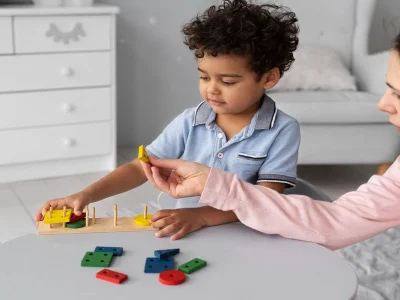
You might be surprised to see a three-year-old at a Montessori preschool carefully polishing a silver tray or scrubbing a table. These are not chores; they are Practical Life activities. They serve a very important purpose in child development. Firstly, they help with fine and gross motor skills. Holding a small sponge or pouring water from a pitcher requires a lot of control. Secondly, these tasks have a clear beginning, middle, and end. This helps a child develop a sense of sequence and logic. “First, I get the water, then I scrub, then I dry.” Finally, it builds immense pride. There is a special kind of smile a child gives when they have successfully cleaned up a spill by themselves. It says, “I am a helpful, capable person.” This sense of agency is a huge part of what makes this educational style so effective.
Mathematics and Logic Through Concrete Materials
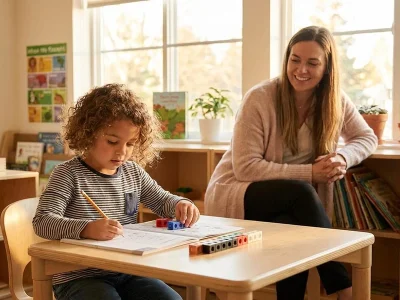
Maths can sometimes feel like a scary subject, but it doesn’t have to be. Montessori activities introduce mathematical concepts through concrete materials that children can actually hold. Instead of just seeing the number “10” on a page, they might hold a “Ten Bar” made of ten golden beads. They can feel the weight of it compared to a single bead. This physical representation of quantity makes the transition to abstract maths much easier later on. Activities like the “Spindle Box” help children understand the concept of zero and counting in a very logical way. By the time they get to primary school, children who have been in a Montessori preschool often have a very strong grasp of how numbers work. They don’t just memorise formulas; they understand the “why” behind the maths.
Developing Language and Literacy
Language development in a Montessori setting starts with a rich oral tradition. Teachers tell stories, sing songs, and have real conversations with the children. When it comes to writing and reading, the process is broken down into small, manageable steps. Before a child even picks up a pencil, they might use “Metal Insets” to practice the hand movements needed for writing. They learn the sounds of letters (phonics) through the sandpaper letters we mentioned earlier. Then, they use a “Moveable Alphabet” to start building words, even before their small hand muscles are strong enough to write them on paper. This approach reduces frustration and allows a child’s literacy skills to flourish at their own pace. For families living near childcare on the East Coast, having access to such a thoughtful literacy program is a major benefit.
Conclusion
The activities in a Montessori preschool are about much more than just keeping children busy. They are carefully crafted to support every aspect of a child’s growth-from their physical coordination to their emotional confidence and cognitive abilities. Whether it is through sensory exploration or practical life tasks, children are given the space to learn by doing. For parents looking at childcare on the East Coast, these methods offer a proven way to give their children a head start in life. When learning is this much fun and this rewarding, a child’s potential is truly limitless. It is all about providing the right environment and then stepping back to watch the magic happen.
Learn more about us at Wharton Preschool and discover how our Montessori-inspired curriculum can benefit your child.







Comments