
 By
By 
As parents and caregivers, we all want our children to develop a love of learning that lasts a lifetime. But let’s face it, getting a child motivated to learn isn’t always easy. Some days, they resist homework like it’s a punishment or show little interest in school topics. The good news? Motivation isn’t a fixed trait—it can be nurtured, guided, and inspired. Here are some tips from a private sixth form college in Surrey how to ignite that spark and keep it burning bright.
1. Focus on the Joy of Learning, Not Just Results
Children are naturally curious. The problem arises when learning becomes all about test scores or pleasing adults. To shift the focus:
- Praise effort, not intelligence. Instead of saying, “You’re so smart,” try “I’m proud of how hard you worked on that.”
- Encourage questions, even if they veer off-topic. Curiosity is the gateway to self-motivated learning.
- Celebrate progress, no matter how small. Milestones build momentum.
2. Make Learning Relevant to Their World
Kids learn best when they see how knowledge connects to their lives. Turn abstract concepts into tangible experiences:
- Use real-life examples. If your child is learning about money, involve them in budgeting or grocery shopping.
- Connect schoolwork to interests. A child who loves animals might enjoy science experiments involving biology or books about wildlife.
3. Create a Positive Learning Environment at Home
A nurturing space can make a huge difference:
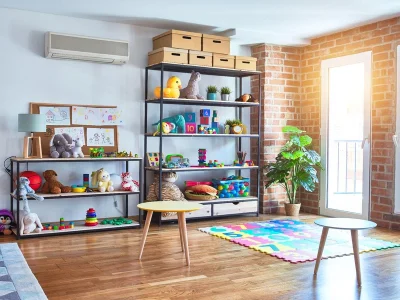
- Designate a quiet, clutter-free study area, stocked with age-appropriate supplies.
- Set consistent routines for homework and breaks, so learning becomes a regular part of the day.
- Eliminate distractions, especially digital ones during study time.
4. Involve Them in Setting Learning Goals
Children feel more motivated when they have ownership:
- Let them help choose books or projects based on their interests.
- Set small, achievable goals together. For example: “Let’s try to read two chapters this week.”
- Celebrate when goals are met—use encouragement, not rewards, to reinforce the behaviour.
5. Be an Active Participant in Their Learning
When children see you value education, they’re more likely to follow suit:
- Ask open-ended questions about what they’re learning: “What was the most interesting thing you learned today?”
- Read together, regardless of age. Even older children benefit from discussing books or articles with you.
- Attend school events and parent-teacher meetings to stay involved and informed.
6. Encourage Problem-Solving and Critical Thinking
Instead of giving answers right away:
- Help them figure things out themselves. Ask guiding questions like “What do you think we should try next?”
- Use games, puzzles, and creative challenges to make thinking fun.
- Allow mistakes. Learning from failure is just as important as succeeding.
7. Support Their Emotional Well-being
A child who feels stressed, overwhelmed, or insecure will struggle to engage with learning:
- Be patient and listen. Sometimes lack of motivation is a sign of anxiety or low self-esteem.
- Teach growth mindset language: “You haven’t mastered this yet, but you’re getting better.”
- Help them manage school-life balance. Play, rest, and social time are essential too.
Motivating your child to learn is about planting seeds of curiosity, confidence, and autonomy. With consistent encouragement, a supportive environment, and a little creativity, you can help your child develop not just the ability to learn—but the desire to. Remember, the goal isn’t to raise a perfect student. It’s to nurture a lifelong learner who finds joy in discovering the world.









Comments