
 By
By 
Key Takeaways
- Asking safety and coaching questions helps parents choose reliable gymnastics programmes.
- Understanding lesson structure helps match classes with a child’s age and attention span.
- Checking communication methods keeps parents informed about progress and comfort levels.
- Reviewing equipment and facilities helps confirm safe and organised training environments.
Introduction
Curiosity usually kicks in when parents watch their child bounce, roll, or climb furniture like a tiny explorer on a mission. Choosing the right training environment requires thoughtful planning, since gym activities blend play with skill development. While browsing programme options, families exploring gymnasium classes may benefit from asking practical questions that clarify safety, coaching style, and learning structure.
For families with younger children, interest in gymnastics classes for toddlers tends to focus on comfort, supervision, and playful learning. Asking the right questions early can help parents choose a programme that fits their child’s personality and physical readiness.
How Are Coaches Trained and Supervised?
When evaluating instructors, parents may want to ask about certification, teaching experience, and child-handling knowledge. Children learn differently from adults, and coaching techniques must match their attention span and emotional comfort. Within gymnasium classes, instructors usually demonstrate skills step by step while monitoring posture and landing techniques.
Programme coordinators may also describe how instructors receive feedback or professional development. A transparent training structure can show how staff members stay prepared for different learning situations, including handling nervous beginners or energetic learners.
What Safety Measures Are Used During Training?
Concerns about tumbles naturally appear when children begin physical training. Parents may want to ask about safety mats, equipment maintenance, and supervision ratios during gymnastics classes for toddlers. Soft flooring, padded stations, and low-height equipment usually help young learners practise movement in a controlled setting.
Staff supervision routines can also influence safety. Asking how instructors monitor group activities can reveal how children stay protected while exploring new skills. Emergency preparedness procedures may also help families feel confident about training environments.
How Is Progress Measured Without Pressure?
Many parents wonder how children grow skills without turning training into competition. Asking about evaluation methods helps clarify how improvement gets monitored during gymnasium classes. Skill progression charts, guided repetition, and observation-based feedback frequently help children build confidence without strict grading systems.
Parents may also ask how instructors respond when children struggle with certain movements. Encouraging repetition and patient coaching helps children build resilience while keeping sessions enjoyable.
How Are Lessons Structured for Different Age Groups?
Age-specific lesson design can influence comfort and skill development. Parents may want to ask how instructors modify training for various developmental stages. Programmes offering gymnastics classes for toddlers usually include shorter activity stations, movement games, and frequent transitions to maintain attention.
Older children may follow longer routines involving balance drills, strength exercises, and coordination games. Age-appropriate pacing helps children stay engaged while building physical awareness and discipline gradually.
How Do Classes Encourage Social Interaction?
Social development frequently grows alongside physical training. Asking about group activities can reveal how cooperation and communication develop during gymnasium classes. Relay exercises, partner balance drills, and group obstacle tasks create opportunities for children to interact naturally.
Parents may also ask how instructors guide children who feel shy or hesitant during group participation. Structured peer interaction can help children build confidence while learning teamwork in a playful environment.
How Are Parents Updated About Their Child’s Experience?
Communication between instructors and families plays an important role in understanding a child’s progress. Parents may want to ask how updates are shared during gymnastics classes for toddlers. Some programmes offer feedback sessions, observation windows, or short progress summaries after lessons.
Consistent communication helps parents understand how children respond emotionally and physically to training. Feedback discussions can also highlight areas where children enjoy activities or require additional guidance.
What Equipment and Facilities Are Provided?
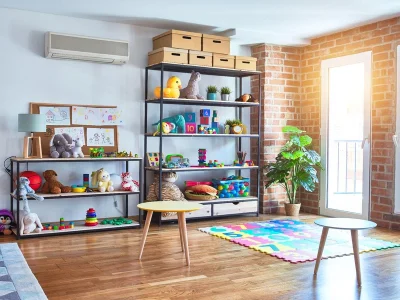
Exploring facility quality can help families understand the training environment. Parents may want to ask about equipment variety, cleaning routines, and maintenance schedules within gymnasium classes. Balanced equipment selection usually includes beams, bars, climbing blocks, and padded surfaces designed for skill development.
Facility organisation can also affect learning flow. Clear activity zones help instructors guide movement drills without overcrowding or confusion.
Conclusion
Choosing gymnastics training involves understanding teaching methods, safety routines, and learning structure. Asking detailed questions helps parents match programmes with their child’s comfort level, personality, and developmental stage. Thoughtful planning encourages children to explore movement confidently while enjoying playful physical challenges. Families seeking structured training environments that balance skill learning and enjoyment can consider professional programmes designed for young learners.
Contact BearyFun Gym today to explore class options that nurture coordination, confidence, and joyful movement experiences.




Comments