
 By
By 
Key Takeaways
- Different subjects need flexible systems, not one fixed way of organising everything.
- Clear routines help manage shifting expectations across lessons and assignments.
- Small habits keep tasks visible so nothing slips through during busy weeks.
- Consistent review keeps plans realistic and reduces last-minute pressure.
Introduction
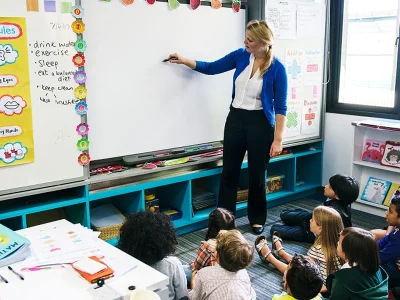
Trying to keep everything in order can feel like juggling books while riding a bicycle, and the challenge grows in an international primary school where each subject comes with its own pace, style, and expectations, which can leave students wondering how to keep track of it all without feeling scattered.
Different lessons can demand different ways of thinking, which means a single method rarely fits every class, so finding a rhythm that adapts to each subject helps create a sense of control even when things feel slightly out of sync.
Building a Flexible System
Matching Organisation Style to Each Subject
Adapting your system to fit each lesson can make things feel easier, since subjects in international primary schools in Singapore may follow different formats, and adjusting how notes, tasks, and materials are arranged helps reduce confusion while keeping everything accessible, while also making it easier to switch between subjects without losing track of what needs attention.
Keeping Materials Easy to Find
Keeping folders, notebooks, and digital files clearly labelled helps avoid last-minute searching, and that simple habit in an international primary school makes transitions between subjects feel smoother as students move from one task to the next, reducing stress when time feels tight during busy school days.
Managing Time Across Subjects
Breaking Tasks Into Smaller Steps
Big assignments can feel like a pile that never shrinks, so splitting them into smaller chunks makes each part easier to start and finish, and in international primary schools in Singapore this keeps work clear and manageable while cutting down the urge to put things off, since each step feels doable and easy to track.
Setting Clear Priorities Each Day
Picking what needs your attention first keeps the day from drifting, since tasks carry different weight, and building that habit in an international primary school helps you stay focused without feeling pulled in every direction, giving a simple path for what to tackle next.
Creating Routines That Stick
Building a Simple Daily Flow
Set a light routine that carries you from one lesson to the next without friction, and that rhythm in international primary schools in Singapore helps you shift gears with less pause while keeping tasks in order, so the day feels easier to follow even as subjects change.
Reviewing Work at the End of the Day
End-of-day review keeps plans grounded; a short check of finished work and what comes next helps you spot anything that needs attention early, and that small habit in an international primary school gives a clear picture of the next day.
Staying Consistent Without Feeling Overwhelmed
Avoiding Overcomplicated Systems
Keeping things simple helps you stick with your plan, since complex setups can drain energy, and that mindset in international primary schools keeps routines easy to follow, so you can keep going without losing interest halfway.
Adjusting When Things Change
Plans can shift as lessons move in new directions, so small tweaks keep your system useful, and that flexibility in an international primary school helps your organisation keep working even when schedules change, keeping you steady through surprises.
Conclusion
Keeping everything in order across different subjects can feel messy at first, yet a flexible setup, clear priorities, and simple routines can pull things together, helping you move through each lesson with a clearer head and a calmer pace.
Contact Middleton International School today to learn how students build practical organisation skills across a wide range of subjects.








Comments