
 By
By 
Highlights
- Bilingual education strengthens executive functions such as task-switching and problem-solving during the critical window of brain development.
- Early exposure to two languages fosters a deeper appreciation for various cultural heritages and social norms within a multicultural society.
- Mastery of a second language at the preschool level provides a smoother transition into the rigorous primary school Mother Tongue curriculum.
Introduction
The formative years of a child’s life represent a period of unparalleled neurological plasticity, where the brain actively shapes itself based on environmental stimuli. In a globalised city-state, the choice of a preschool in Singapore often hinges on how well the institution prepares students for a bilingual future. Many parents now move away from monolingual environments in favour of curricula that integrate English and a Mother Tongue language seamlessly into daily routines. This educational shift recognises that language acquisition involves more than just vocabulary; it builds the cognitive framework for how a child perceives and interacts with the world. By choosing a dual-language foundation, families ensure their children develop the linguistic versatility necessary for both academic success and social integration in a diverse community.
Cognitive Advantages and Brain Development
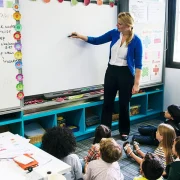
Extensive research in developmental psychology indicates that children who navigate two languages from a young age exhibit enhanced executive functions compared to their monolingual peers. A bilingual preschool environment requires the brain to switch constantly between different linguistic structures, which strengthens the prefrontal cortex. This mental exercise improves a child’s ability to focus on relevant information while filtering out distractions, a skill known as inhibitory control. At a centre such as Little Seeds Preschool, educators introduce these concepts through immersive storytelling and interactive play, allowing children to internalise grammar and syntax. These cognitive benefits extend beyond language, aiding in the development of mathematical reasoning and spatial awareness as the child learns to categorise and deconstruct complex information.
Furthermore, the switching mechanism inherent in bilingualism fosters greater cognitive flexibility and creative problem-solving. When a child understands that a single object has multiple names, they develop a more fluid understanding of abstract concepts. This mental agility allows them to approach challenges from various angles, a trait that proves invaluable as they progress through formal schooling. Little Seeds Preschool encourages this flexibility by alternating the language of instruction during different activities, ensuring that children do not compartmentalise their learning. This constant mental stimulation keeps the young brain active and resilient, providing a sturdy foundation for the multi-disciplinary subjects they will encounter in Primary One and beyond.
Cultural Literacy and Social Integration
In a multicultural environment, a bilingual preschool serves as a vital bridge between home life and the broader community. Language acts as the primary vehicle for culture, carrying with it specific idioms, traditions, and values that define an ethnic identity. By immersing themselves in a second language, children gain more than just a communication tool; they develop an insider perspective on the heritage of their peers and elders. This early exposure reduces the likelihood of language barriers becoming social barriers later in life. Centres like Little Seeds Preschool incorporate cultural celebrations and traditional songs into their weekly plans to give students a functional context for their Mother Tongue. This approach ensures that the child views the language as a living, breathing part of their social reality.
Socially, bilingual children often demonstrate higher levels of empathy and a better Theory of Mind, which is the ability to understand that others may have different perspectives or knowledge. Navigating two languages requires a child to be sensitive to their listener’s linguistic needs, unconsciously adjusting their speech to ensure they are understood. This constant social calibration sharpens their interpersonal skills and emotional intelligence. When children attend a preschool in Singapore that prioritises dual-language interaction, they practice these social adjustments daily with teachers and classmates. These experiences build a sense of inclusivity and global citizenship from the very start. Ultimately, a bilingual education produces well-rounded individuals who move comfortably between different social circles, fostering a more cohesive and understanding society.
5 Advantages of Starting Early
- Natural Phonetic Mastery – Young children can replicate native-like accents and tonal nuances much more easily than older learners.
- Reduced Language Anxiety – Early immersion prevents the fear of making mistakes that often hinders teenagers and adults.
- Academic Readiness – Mastering the basics of a Mother Tongue early prevents the student from falling behind in the primary school syllabus.
- Vocabulary Expansion – Dual-language learners often possess a larger total vocabulary across both languages by the time they reach age six.
- Enhanced Memory – The effort required to store and retrieve two sets of linguistic rules improves overall working memory capacity.
Conclusion
Enrolling your child in a bilingual preschool is an investment that yields dividends far beyond the classroom. The cognitive stimulation and cultural awareness gained during these early years provide a competitive edge in a rapidly changing world. While finding the right preschool in Singapore involves many factors, the long-term benefits of dual-language proficiency remain clear. Little Seeds Preschool demonstrates how a supportive and immersive environment can turn language learning into a joyful, everyday experience. By equipping your child with the ability to speak and think in two languages, you open doors to new ways of thinking and connecting with others. As they grow, these bilingual skills will serve as a foundation for their academic achievements and their identity as global citizens. The journey toward bilingualism starts with a single step, and there is no better time to begin than during the most formative years of childhood.
Give your child the gift of a dual-language foundation and watch their cognitive and social skills flourish in a supportive environment. Contact Little Seeds Preschool to learn more about our bilingual curriculum and book a tour.






Comments