
 By
By 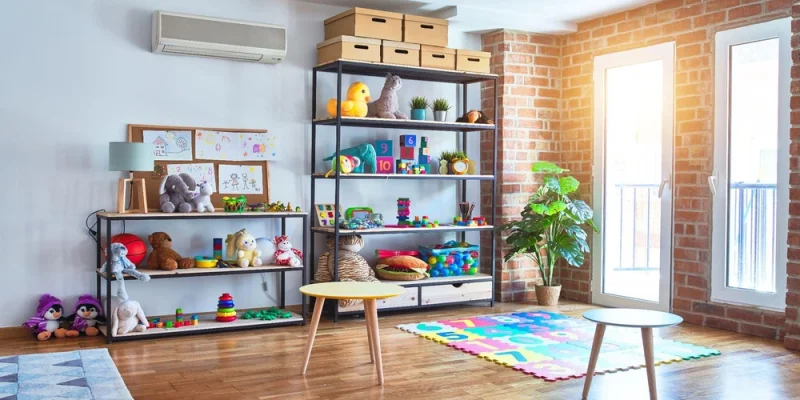
The first six years of life represent a unique window of biological opportunity. During this phase, the brain exhibits an extraordinary degree of neuroplasticity, with synaptic density reaching levels that will never again be matched in adulthood. This “absorbent mind,” as described by Dr Maria Montessori, is not merely a metaphorical concept but a physiological reality. For parents seeking a Montessori nursery in Singapore, understanding the underlying cognitive mechanics of this educational model is essential to appreciating how it prepares a child for a complex, rapidly evolving world.
Neuroplasticity and the Prepared Environment
At the heart of a high-quality Montessori preschool is the “prepared environment.” This is a meticulously engineered space designed to match the developmental needs of the child at specific “sensitive periods.” From a neurological perspective, these environments are designed to reduce cognitive load while maximising purposeful engagement. When a child interacts with self-correcting materials, they are engaging in a feedback loop that strengthens neural pathways associated with problem-solving and critical thinking.
In a Montessori nursery in Singapore, you will observe children choosing tasks that require fine motor precision, such as pouring, threading, or tracing. While these may appear to be simple life skills, they are actually sophisticated exercises in executive function. Executive function-comprising working memory, cognitive flexibility, and inhibitory control-is a better predictor of lifelong success than IQ. By allowing children to follow their natural interests within a structured framework, we support the development of the prefrontal cortex, the area of the brain responsible for complex decision-making and emotional regulation.
The Cognitive Pillars of Montessori Development
- Self-Regulated Discipline and Inhibitory Control: One common parental concern is whether a child-led environment lacks discipline. In reality, the pedagogy fosters “inner discipline.” By choosing their own work, children develop inhibitory control-the ability to resist impulsive actions and remain focused on a task. This self-regulation is far more robust than external compliance enforced by an adult.
- Scaffolded School Readiness: School readiness is often misinterpreted as the rote memorisation of facts. Our Montessori preschool focuses on the cognitive scaffolding required for academic mastery. For example, sensorial materials prepare the mathematical mind by teaching order, sequence, and categorisation, ensuring that when formal abstract concepts are introduced, the child has a concrete mental map to rely on.
- Social Cognition through Mixed-Age Dynamics: The mixed-age classroom is a laboratory for social cognition. Older children reinforce their own learning by mentoring younger peers, a process that enhances metacognition. Younger children, in turn, observe more complex tasks, which stimulates observational learning and aspirational drive, accelerating their own developmental milestones.
- Intrinsic Motivation and Synaptic Pruning: Traditional reward systems can actually diminish a child’s natural curiosity. By focusing on the process rather than the product, we preserve intrinsic motivation. This engagement ensures that the brain’s “pruning” process-where unused neural connections are eliminated-retains the pathways associated with deep focus and the joy of discovery.
The Architecture of Choice: Deep Work in Early Childhood
In the context of a Montessori nursery in Singapore, “freedom” is often misunderstood. It is not the freedom to do anything, but rather the freedom to engage in “deep work” within a structured framework. When a child is allowed an uninterrupted three-hour work cycle, they have the opportunity to enter a state of “flow.” This state is critical for the development of concentration. In a traditional setting, frequent transitions can fragment a child’s attention span, but here, the pedagogical architecture protects it.
This focus on concentration has direct implications for self-regulated learning. As the child masters increasingly complex materials, they develop a sense of agency. They learn that through effort and repetition, they can overcome challenges. This growth mindset is a fundamental component of emotional intelligence and resilience, providing a sturdy foundation for the rigours of primary school and beyond.
The Montessori Difference: A Snapshot
Rather than overwhelming the child with rigid outcomes, the approach focuses on these key pillars:
- Child-Led Discovery: Children choose their work, which increases engagement and concentration.
- Mixed-Age Grouping: Younger children learn from older peers, while older ones reinforce their knowledge by helping others.
- Focus on Life Skills: Practical tasks, like pouring water or tidying up, develop motor skills and independence.
- Sense of Order: The environment is kept tidy and predictable, helping children feel secure.
Frequently Asked Questions
| Common Inquiry | Pedagogical Insight |
|---|---|
| Does the lack of traditional testing affect academic performance? | Assessment is continuous and observational. Because children master concepts before moving on, their academic foundation is often deeper and more permanent than those based on rote memorisation. |
| Is a montessori preschool suitable for energetic children? | Yes. The environment allows for purposeful movement. Energetic children find outlets in physical tasks that require focus, helping them channel their energy into productive learning. |
| How do they transition to a standard primary school? | Montessori children typically transition very well because they have high levels of executive function, independence, and the ability to adapt to new social structures. |
Choosing the right educational path is one of the most significant decisions a parent can make. By prioritising cognitive development, executive function, and a child-centred approach, you are giving your child the tools to navigate a complex future with confidence and curiosity.
Ready to give your child the foundation they deserve? Don’t just imagine their potential-witness it firsthand. Learn more about Wharton Preschool and discover the transformative impact a genuine Montessori nursery in Singapore can have on your child’s future.










Comments